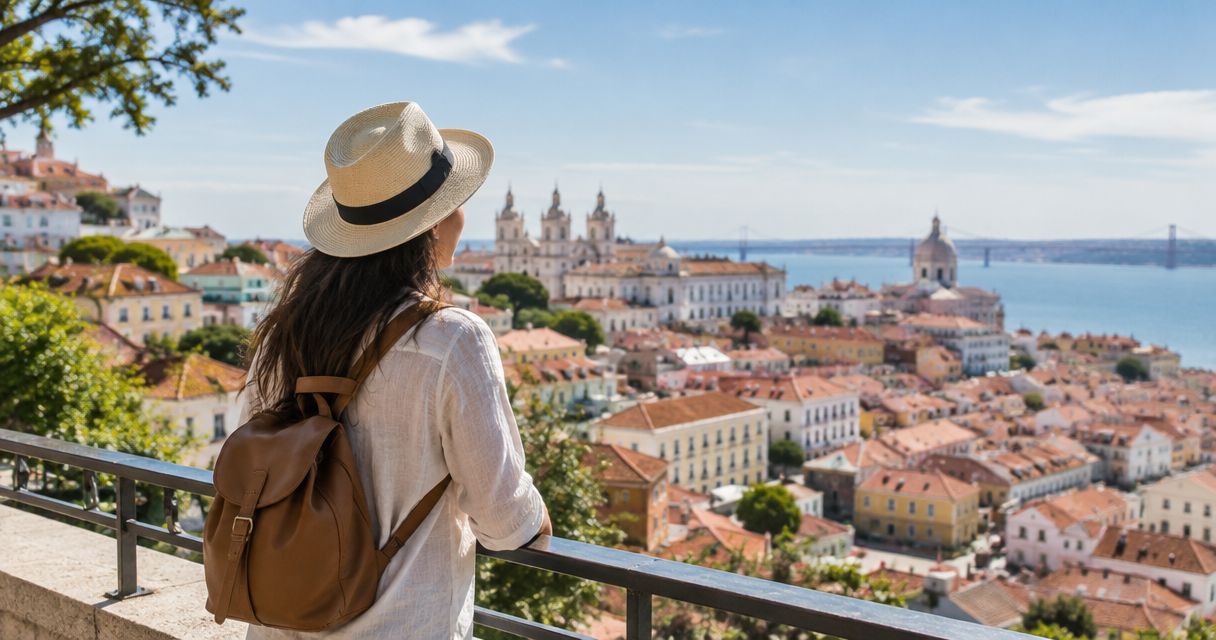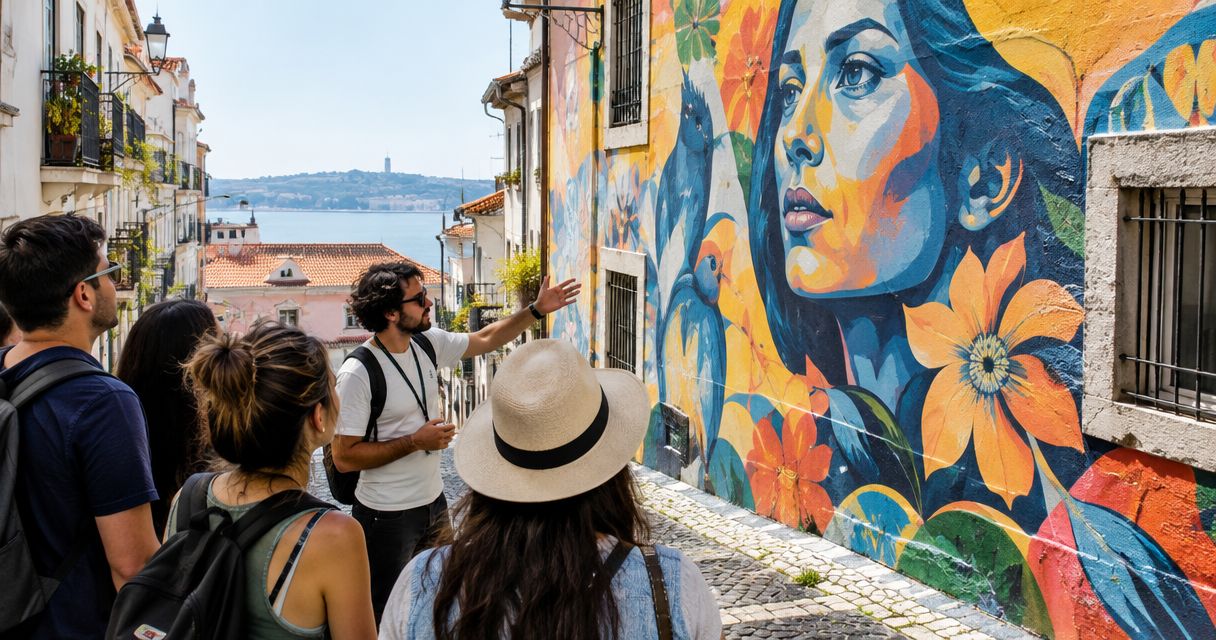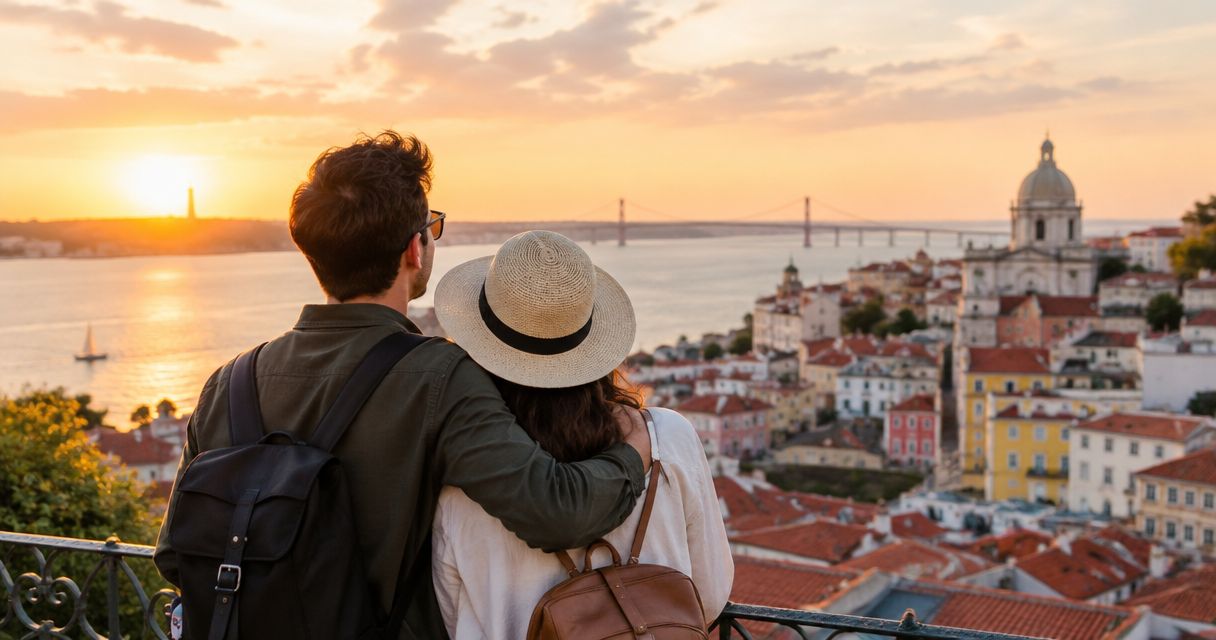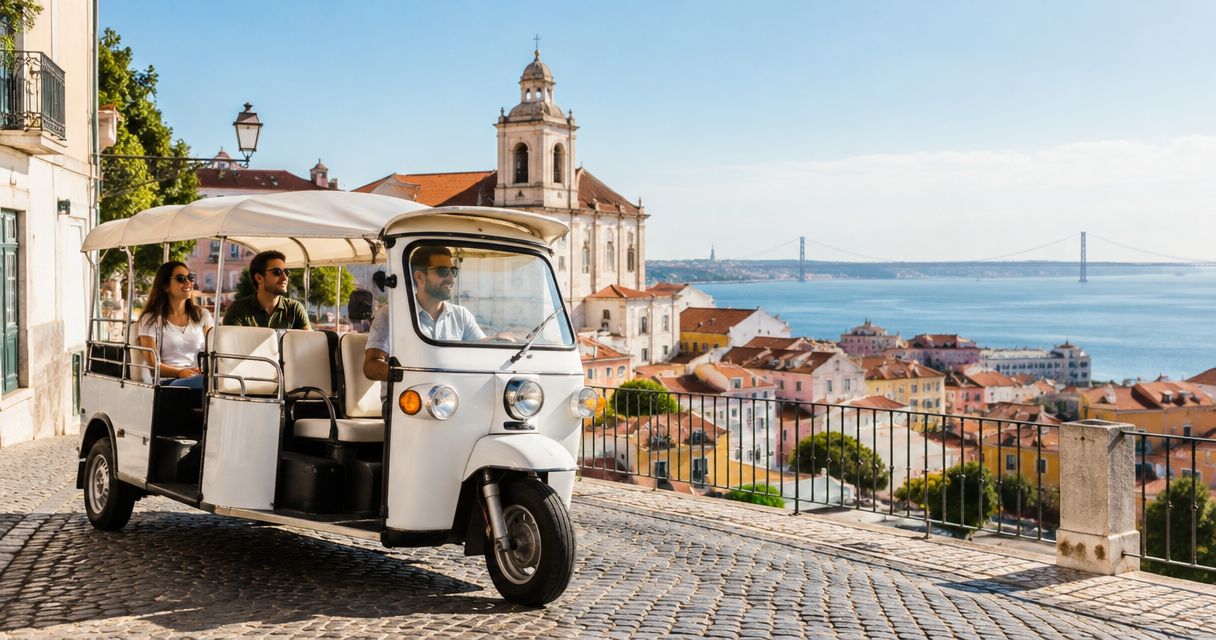
Best overall: Lisbon Cathedral (Sé). Best for street-level architecture: Baixa. Best for Manueline detail: Jerónimos Monastery. For a private tuk tuk tour Lisbon architecture lovers can shape around their interests in 2026, choose a focused cluster of stops rather than trying to cross the whole city.
- For a private tuk tuk tour Lisbon architecture itinerary, start with Sé and choose nearby stops before adding Belém.
- Tukxi suits couples and small groups seeking private electric tuk tuk sightseeing with local guides and customisable routes.
- Choose Baixa for planned streets, Carmo for exposed Gothic structure, and Jerónimos Monastery for Manueline ornament.
- Confirm routes, walking requirements and attraction entry separately; a sightseeing stop does not establish interior access.
- Children under 3 and pregnant guests cannot join; tours are not wheelchair accessible.
Tukxi offers private electric tuk tuk tours with local guides and fully customisable routes. Treat the stops below as requests to discuss before booking, not as a published itinerary or a promise that a vehicle can stop at every entrance.
Why this matters
Lisbon rewards looking closely. A cathedral façade, a planned square and an ornamental monastery reveal different approaches to building a city; combining them without considering geography leaves less time to notice those differences.
For your 2026 visit, decide whether you want architectural breadth or detailed observation. A useful starting brief is 2 priority stops in 1 area, with additional stops discussed after your guide understands your interests and walking needs. This is a planning recommendation, not a tour duration or operating limit.
The same booking principle applies in Funchal, Madeira: tell your local guide what you want to see and how much walking suits your group. Lisbon and Funchal are separate destinations, not interchangeable route plans.
What makes the best Lisbon architecture stops?
The ranking gives each stop a distinct purpose. Use these criteria to decide which places deserve time on your own route:
- Architectural character: the stop shows a recognisable style, structure or approach to urban design.
- Visible detail: you have something specific to examine, rather than simply another landmark photograph.
- Exterior value: the surroundings or façade provide interest even when you have not arranged entry.
- Route fit: nearby stops work together without making a cross-city journey the point of the outing.
- Walking demands: your group understands that sightseeing by vehicle does not remove steps, slopes or pedestrian sections.
- Visit depth: you distinguish a brief exterior observation from a separate interior visit.
A customisable route changes your sightseeing priorities; it does not change access rules or guest restrictions. Before settling your shortlist, read how to customise a private tuk tuk tour in Lisbon.
Lisbon architecture stops at a glance
These are architectural recommendations for planning in 2026, not confirmed stops on a particular departure. The table order matches the detailed ranking below.
| Stop | Best for | Standout feature | Key limitation |
|---|---|---|---|
| Lisbon Cathedral (Sé) | An architectural starting point | Fortress-like Romanesque frontage | Exterior viewing does not replace an interior visit |
| Baixa and Praça do Comércio | Urban planning | Regular streets and a monumental riverfront square | The subject is a district, not one building |
| Jerónimos Monastery | Manueline ornament | Carved architectural detail | Belém needs separate route consideration |
| Carmo Convent | Reading Gothic structure | Open-air church ruins | The defining experience requires attraction access |
| São Vicente de Fora | Mannerist composition | Ordered façade and twin towers | Interior collections need separate planning |
| Graça and its surroundings | Buildings within the cityscape | Hillside relationships and rooflines | Slopes and pedestrian movement still matter |
| Belém Tower | Riverside defensive architecture | Fortified form with Manueline detail | Exterior viewpoints and access need checking |
1. Lisbon Cathedral: best for an architectural starting point
Lisbon Cathedral, usually called Sé, is the clearest starting choice if you want one building to anchor your architecture discussion. Its Romanesque frontage, substantial towers and rose window give you specific features to examine before moving to more ornamental buildings.
Ask your guide to distinguish the building’s broad form from details introduced through later alterations. That creates a useful habit for the rest of the tour: look at structure first, decoration second.
Sé pros:
- Strong exterior identity.
- A clear introduction to Romanesque architecture.
- A useful reference point for comparing later styles.
Sé cons:
- A short roadside look is not an interior visit.
- The surrounding old-city streets require walking and stopping arrangements to be checked.
Best for: first-time visitors who want an understandable architectural starting point, rather than an exhaustive monument list.
Verdict: Choose Sé as your default first request.
2. Baixa: best for understanding Lisbon’s urban planning
Baixa shifts your attention from individual monuments to the organisation of streets and public space. Its planned grid contrasts with the irregular streets of older hillside neighbourhoods, while Praça do Comércio provides a large-scale riverfront composition.
Look along the streets rather than only at the nearest façade. Repetition, alignment and the relationship between buildings and open space are the main subjects here; a guide’s explanation helps connect details that otherwise look simply uniform.
Baixa pros:
- Makes urban planning visible at street level.
- Connects façades, street patterns and public squares.
- Offers architectural interest without making an interior the main objective.
Baixa cons:
- A moving overview does not replace time observing a square.
- The district needs a clear focus to avoid becoming an unfocused drive-through.
Best for: visitors interested in how a city works as a designed whole.
Verdict: Choose Baixa for streets and squares, not just landmark façades.
3. Jerónimos Monastery: best for Manueline ornament
Jerónimos Monastery in Belém is the strongest pick here for studying Manueline decoration. Its carved stonework provides a different visual language from Sé’s heavier frontage and Baixa’s repeated street façades.
Decide whether your interest is an exterior introduction or a dedicated attraction visit. Those are different plans, and your 2026 itinerary should make that distinction before you add other Belém stops.
Jerónimos Monastery pros:
- A recognised example of Manueline architecture.
- Detailed carving rewards close observation.
- Creates a useful contrast with central Lisbon’s architectural stops.
Jerónimos Monastery cons:
- Belém requires separate route consideration from the old-city hills.
- Interior access and visiting arrangements need independent confirmation.
Best for: architecture lovers who prioritise ornament and want Belém to be a main focus.
Verdict: Choose Jerónimos Monastery when Manueline detail matters more than covering central Lisbon.
4. Carmo Convent: best for understanding Gothic structure
Carmo Convent’s ruined church makes structural relationships unusually visible. The open-air remains draw attention to arches, supporting elements and the outline of the building rather than an intact roof or a finished interior.
This is a different kind of stop from viewing a façade. If the ruins are your reason for visiting, arrange the attraction visit explicitly instead of assuming that a nearby vehicle stop delivers the same experience.
Carmo Convent pros:
- Exposes the form of a Gothic church.
- Makes structure the subject of your visit.
- Contrasts clearly with complete religious buildings.
Carmo Convent cons:
- The defining view depends on attraction access.
- A vehicle-based itinerary does not establish step-free access to the ruins.
Best for: visitors who enjoy understanding how buildings are put together.
Verdict: Choose Carmo only when you have planned the visit the ruins deserve.
5. São Vicente de Fora: best for Mannerist composition
São Vicente de Fora offers a more ordered architectural composition than the irregular streets around many old-city viewpoints. Its Mannerist façade and twin towers make symmetry, proportion and the arrangement of openings useful subjects for discussion.
Start with the exterior composition. If you also want to examine the monastery’s interior or tile collections, identify those as separate priorities rather than adding them casually to a short sightseeing stop.
São Vicente de Fora pros:
- A clear example of formal façade composition.
- Introduces Mannerism into a varied architecture shortlist.
- Rewards attention to proportion rather than ornament alone.
São Vicente de Fora cons:
- Interior interests require additional visit planning.
- Hillside surroundings still require a practical walking discussion.
Best for: visitors who want to compare architectural order with the city’s less regular streets.
Verdict: Choose São Vicente de Fora for proportion and composition.
6. Graça: best for seeing architecture within the cityscape
Graça is useful when your interest extends beyond single buildings to Lisbon’s hillside setting. Rooflines, church silhouettes and changes in ground level help explain how architecture occupies the city rather than sitting apart from it.
Ask for a viewpoint discussion with a specific purpose: identifying districts, comparing building heights or tracing the relationship between slopes and streets. That gives the stop a subject beyond taking a panoramic photograph.
Graça pros:
- Places individual buildings in a wider setting.
- Makes Lisbon’s hillside form easier to understand.
- Suits visitors interested in urban photography.
Graça cons:
- Distant views do not reveal fine façade detail.
- Viewpoint approaches and pedestrian sections need checking.
Best for: couples and small groups interested in roofscapes and the relationship between buildings and terrain.
Verdict: Choose Graça for architectural context, not close inspection.
7. Belém Tower: best for riverside defensive architecture
Belém Tower combines a fortified riverside form with Manueline detail. It adds a defensive building to a shortlist otherwise dominated by religious architecture and urban space.
Make the exterior your initial planning question: where can your group observe the tower, and what walking does that involve? Confirm current conditions for your 2026 visit rather than assuming any particular entrance, viewpoint or interior arrangement.
Belém Tower pros:
- Adds defensive architecture to your comparison.
- Connects building form with its riverside setting.
- Complements an architecture-focused visit to Belém.
Belém Tower cons:
- The riverside setting is separate from central hillside stops.
- Access conditions must be checked before you make the tower essential.
Best for: visitors who want to compare a fortified landmark with Jerónimos Monastery.
Verdict: Choose Belém Tower as part of a deliberate Belém plan.
How the stops are ranked
The ranking prioritises a clear architectural subject, exterior interest and usefulness within a focused sightseeing plan. It does not rank attraction access, tour coverage or the quality of an interior visit.
Sé is the default because it provides a clear starting point. Baixa wins for urban planning, while Jerónimos Monastery becomes the first choice when Manueline architecture is your main interest. Your subject should determine the route, not the other way around.
Turn your shortlist into a bookable plan
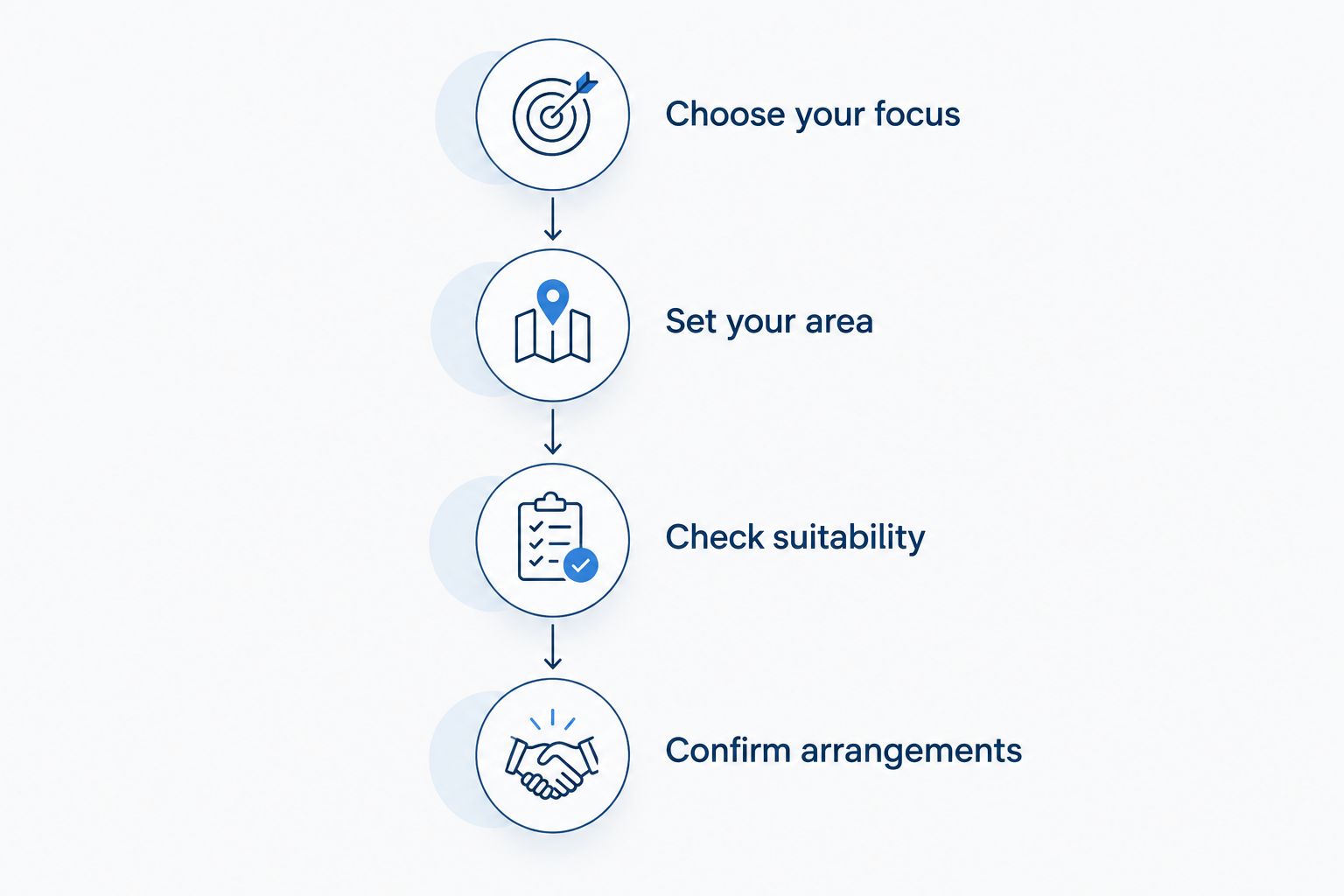
Use this sequence before booking your 2026 sightseeing tour. It separates what you want to see from the practical checks that determine whether the outing suits everyone.
- Choose your focus. Start with buildings, urban planning or cityscape views. Give your guide a clear priority rather than requesting every stop in this article.
- Set your area. Discuss central Lisbon and Belém as distinct planning choices. Do not assume both fit comfortably into the outing you have in mind.
- Check suitability. Explain walking limits, children’s ages and other special requirements before booking.
- Confirm arrangements. Establish the agreed route, timing, meeting arrangements, guide language and any separately planned attraction visits.
Tukxi does not accept children under 3 years old or pregnant guests, and its tours are not wheelchair accessible. Children aged 3 and over still require a booking discussion about suitability; do not assume child-seat provision. Customisation does not remove these restrictions.
For cruise passengers, share your ship’s required return time and confirm the proposed schedule before committing. Do not assume port pickup or a guaranteed return time. Visitors seeking less walking should describe their actual limits, including difficulty with steps or uneven surfaces.
German-speaking visitors should confirm language arrangements before booking. A local guide does not automatically mean a German-speaking guide. Tukxi is a sightseeing operator, not a taxi, transfer or airport pickup service.
Plan your private sightseeing tour
Discuss your architecture priorities, walking needs and route before booking.
Which Lisbon architecture stops should you choose?
Choose Sé and Baixa if you are undecided. They give you contrasting subjects: a substantial religious building and a planned urban district. Ask your guide whether another nearby stop fits your agreed route without displacing your priorities.
Choose Jerónimos Monastery instead when Manueline architecture is the main reason for your outing. Treat Belém Tower as a separate request within that area, not an automatic addition.
Tukxi private electric tuk tuk tours suit couples and small groups who want local guidance and a customisable sightseeing route. The limitation is equally clear: the vehicle does not replace attraction entry, remove all walking or make an unsuitable guest eligible.
FAQ
What's the best architecture stop for a first private tuk tuk tour in Lisbon?
Lisbon Cathedral, or Sé, is the best starting choice for a first architecture-focused outing. Its Romanesque frontage gives you a clear building to study before comparing other styles.
Is Alfama or Belém better for architecture lovers?
Choose the old-city area around Alfama for historic streets and nearby religious buildings; choose Belém when Manueline architecture is your priority. Discuss the area first rather than assuming both belong in the same route.
Can I customise a Tukxi tour around architecture?
Tukxi offers fully customisable private electric tuk tuk sightseeing tours with local guides. Request your preferred architectural stops before booking and confirm the route and practical arrangements.
Does a tuk tuk stop include entry to a monument?
Do not treat a sightseeing stop as confirmation of attraction entry. Establish separately whether your plan includes an interior visit and what visiting arrangements you need to make.
Can children join an architecture sightseeing tour?
Children under 3 years old cannot join. For children aged 3 and over, confirm suitability and any special requirements before booking; do not assume child-seat provision.
Is a private tuk tuk tour suitable if I have limited mobility?
Tukxi tours are not wheelchair accessible, and vehicle-based sightseeing does not remove all walking. Explain your mobility needs before booking and ask about steps, uneven surfaces and the proposed stops.
Can cruise passengers book an architecture-focused tour?
Cruise passengers should discuss their available shore time and required return time before booking. Confirm the meeting arrangements and schedule rather than assuming port pickup or a guaranteed ship return.
Can I book a German-speaking guide?
Confirm guide-language arrangements before booking. Do not assume that a German-speaking guide is included or available for your requested tour.
One last thing
Before photographing a building, name the feature you came to see: Sé’s rose window, Baixa’s street alignment or Jerónimos Monastery’s carving. That simple decision turns a landmark stop into an architectural observation.
For your 2026 shortlist, choose one feature at each priority stop and tell your guide what interests you. A focused question is more useful than a long list of places you have no time to examine.